What Does CO2 Laser Recovery Look Like in Las Vegas, Stage by Stage?

CO2 laser resurfacing has a reputation for two things: impressive skin renewal and real downtime. Both are true. If you're considering it, the most useful question isn't only "Will it work?" but "What will my skin look like next week, and how do I plan my life around it?"
At No. 1 MedSpa in Las Vegas, we use the Tetra PRO CO2 laser to address fine lines, uneven texture, sun damage, discoloration, enlarged pores, and certain types of scarring. This guide walks through what recovery generally looks like, how treatment intensity changes it, and how to time it around a Las Vegas calendar.
What Is a CO2 Laser, and Why Does Recovery Take Time?
A CO2 laser is an ablative resurfacing laser, which means it removes thin layers of damaged surface skin while creating tiny, controlled microchannels. As the skin heals, it remodels collagen, which is what produces smoother texture and a more even tone.
Because the treatment intentionally wounds the skin in a controlled way, healing is part of the process. The American Academy of Dermatology notes that ablative lasers typically require more downtime than non-ablative options, along with careful aftercare. On our CO2 Laser treatments, the depth and intensity are tailored to your skin, which directly shapes how long recovery takes.
How Does Treatment Intensity Change Your Downtime?
The deeper and more intensive the resurfacing, the longer the recovery. Lighter treatments heal faster but usually produce more modest change per session.
Some people prefer one more intensive CO2 session. Others choose a series of lighter treatments that spreads the improvement out and keeps each recovery shorter. If your schedule leaves very little room for healing, CoolPeel is a lighter treatment delivered by the same Tetra PRO CO2 laser, designed for minimal downtime with redness, warmth, dryness, and a temporary sandpaper-like texture.
What Happens During Each Stage of CO2 Laser Healing?
Recovery after CO2 laser resurfacing usually moves through a predictable pattern: inflammation first, then peeling and renewal, then gradual collagen remodeling. Your provider will give you a personalized timeline, since depth and skin type change the details.
The First Few Days: Redness, Warmth, and Swelling
Right after treatment, skin typically feels warm, similar to a sunburn, and looks red. Swelling is common, especially around the eyes after full-face treatment. This is the stage to stay home, follow your aftercare instructions closely, and keep the skin protected and moisturized as directed.
The Peeling Phase: Dryness and Flaking
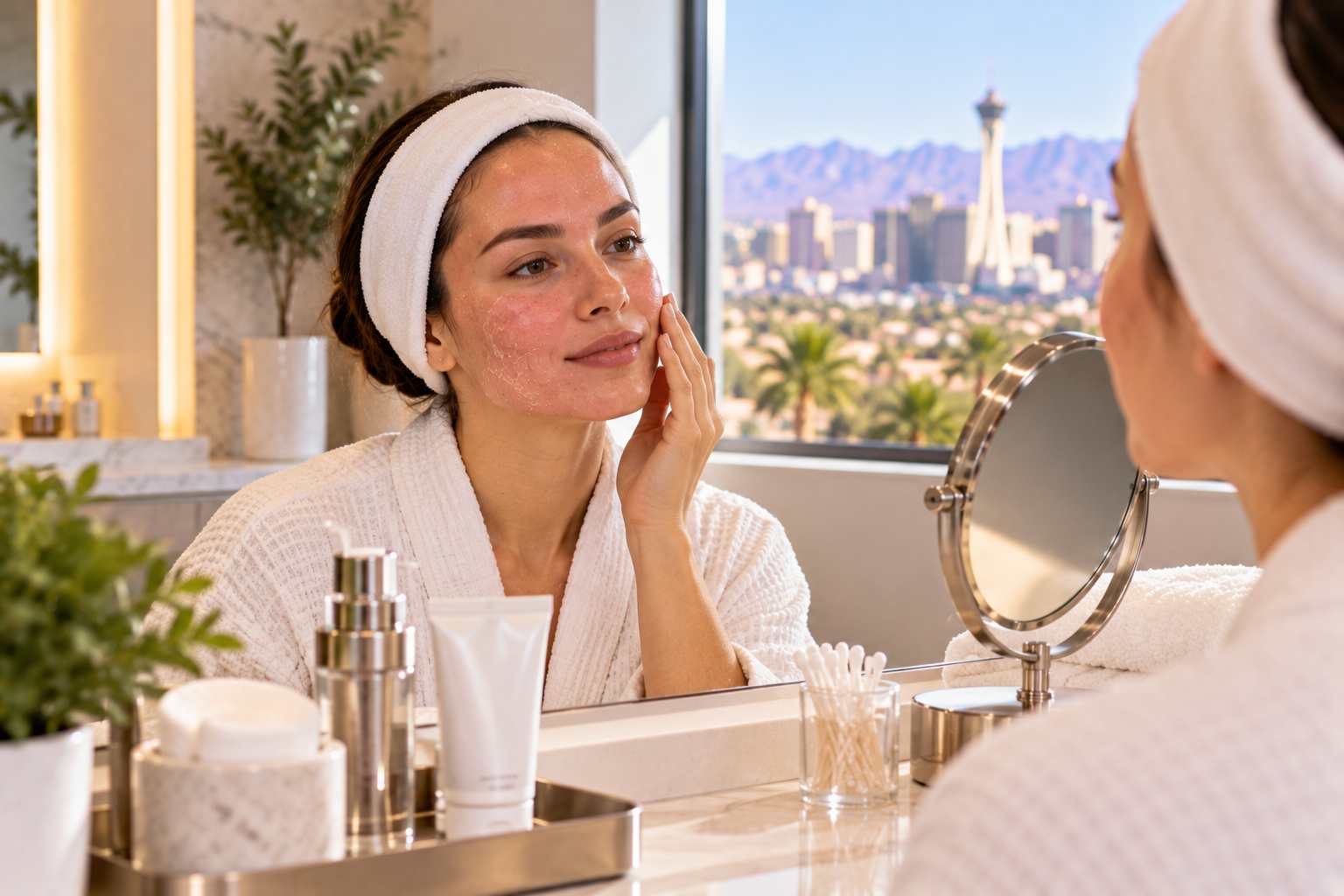
As the treated skin renews, dryness and flaking are common. This is the stage people find most tempting to "help along," but picking or scrubbing can raise the risk of irritation and pigment changes. Let the skin shed on its own schedule.
After the Skin Resurfaces: Pinkness and Sensitivity
Once peeling settles, fresh skin is usually pink and more sensitive for a while, longer after deeper treatments. You'll get clear guidance from our team on when to resume makeup and your regular skincare, since that depends on how deeply the skin was resurfaced and how quickly it heals.
The Following Weeks and Months: Collagen Remodeling
Texture and tone improvements continue as collagen rebuilds beneath the surface. This is why results tend to keep refining for weeks to months after the visible healing is done.
What Results Can You Expect Once Your Skin Has Healed?
Once healing is complete, most people notice smoother texture, softer fine lines, and a more even, refreshed tone. Because collagen keeps remodeling beneath the surface, results tend to continue refining for weeks to months afterward.
How much improvement you see depends on your starting point, the depth of treatment, and whether you chose one intensive session or a series of lighter ones. CO2 laser can help with sun damage, discoloration, enlarged pores, and certain types of scarring, but results vary, and it won't stop the natural aging process. Protecting your skin from the sun is what helps you keep the improvement you worked for.
For luxury clients planning around a gala season or a milestone celebration, this is where timing pays off. Booking CO2 well ahead lets you arrive at your event with healed, refined skin rather than skin that's still in its pink phase.
How Should Busy Professionals Plan Around CO2 Laser Downtime?
Plan backward from your calendar. If you have a major presentation, conference, or client-facing week coming up, book your CO2 treatment with enough buffer that you're past the peeling phase well before you need to be on camera or on stage.
Las Vegas runs on convention schedules, and many of our professional clients work around those peak weeks. A few practical tips:
- Schedule treatment before a stretch of remote work, a holiday break, or a lighter travel period.
- Avoid booking right before flights, since airplane cabins are dry and travel makes aftercare harder.
- If downtime is the dealbreaker, ask whether a series of lighter sessions or CoolPeel fits your goals better.
Why Are Fall and Winter the Best Seasons for CO2 Laser in Las Vegas?
Freshly resurfaced skin is especially vulnerable to UV damage and pigment changes. Fall and winter in Las Vegas bring lower UV intensity than summer and fewer long days outdoors, which makes aftercare easier.
That doesn't mean you can skip sun protection in December. The desert sun is strong year-round. After resurfacing, follow your provider's instructions on sun avoidance, then use a broad-spectrum sunscreen daily as the AAD recommends. Avoid tanning before and after treatment.
Who Should Be Cautious With CO2 Laser Resurfacing?
CO2 laser is a powerful treatment, so candidacy matters. Deeper skin tones carry a higher risk of pigment changes with ablative lasers, and some medical histories call for extra precautions.
Be sure to tell your provider if you:
- Have a history of cold sores
- Have taken isotretinoin or use retinoids
- Are pregnant or breastfeeding
- Have a history of keloids or abnormal scarring
- Take medications that make your skin sensitive to light
If CO2 isn't the right fit, there are other options. PicoSure Pro addresses pigment and texture with minimal downtime, and Potenza RF Microneedling targets acne scars and texture with a shorter recovery.
Does CO2 Laser Recovery Look Different for Men?
The healing stages are the same, but men often have a few extra considerations. Shaving over freshly resurfaced skin can irritate it, so ask your provider when it's safe to shave again and plan your grooming around that.
Many men also come to CO2 for deeper texture concerns such as certain types of acne scarring or sun damage from years outdoors without consistent sunscreen. Our Acne Scars and Scar Treatment pages explain how we approach those concerns.
How Should You Prepare for a CO2 Laser Treatment?
Preparation sets up a smoother recovery. Before treatment, you may be asked to temporarily stop certain skincare ingredients, avoid excess sun, and pause other treatments that sensitize the skin. Our team provides personalized instructions before your appointment.
It also helps to set up your recovery space ahead of time: gentle cleanser, the aftercare products your provider recommends, clean pillowcases, and a plan to stay indoors for the first few days.
Frequently Asked Questions About CO2 Laser Recovery
Does CO2 laser resurfacing hurt?
Comfort depends on the depth and intensity of treatment. A topical numbing agent may be applied beforehand to help.
How many CO2 laser treatments will I need?
It depends on your skin concerns, goals, and chosen intensity. Some people choose one intensive session, while others prefer a series of lighter treatments.
When will I see results from a CO2 laser?
Smoother texture often becomes visible once peeling finishes, with continued improvement as collagen remodels over the following weeks and months.
Is CoolPeel the same as a CO2 laser?
CoolPeel uses the same Tetra PRO CO2 laser at lighter settings. It offers a shorter recovery, with more modest change per session than deeper CO2 resurfacing.
Can a CO2 laser help with acne scars?
CO2 laser resurfacing can help improve certain types of acne scarring. Your provider will assess your scar type to determine whether CO2 or another option is the better fit.
When can I wear makeup after a CO2 laser?
It depends on how deeply your skin was resurfaced and how quickly it heals. Our team will let you know when it's appropriate to resume makeup.
Lay Low Now, Hit the Strip Glowing Later
CO2 laser recovery is real, but it's also predictable and manageable with the right plan. When you understand what each healing stage looks like and time your treatment around your calendar and the Las Vegas seasons, the downtime becomes a short investment in smoother, more even skin.
Explore our Laser treatments, see how we approach aging skin, or visit the Before and After gallery. Learn more about No. 1 MedSpa and our physician-led approach on the About page.
Ready to plan your resurfacing? Request a consultation or call (702) 969-7241 to visit our Las Vegas office at 4035 S. El Capitan Way, Suite 100.