Should You Start Botox Before You Have Wrinkles, or Wait Until You Need It?

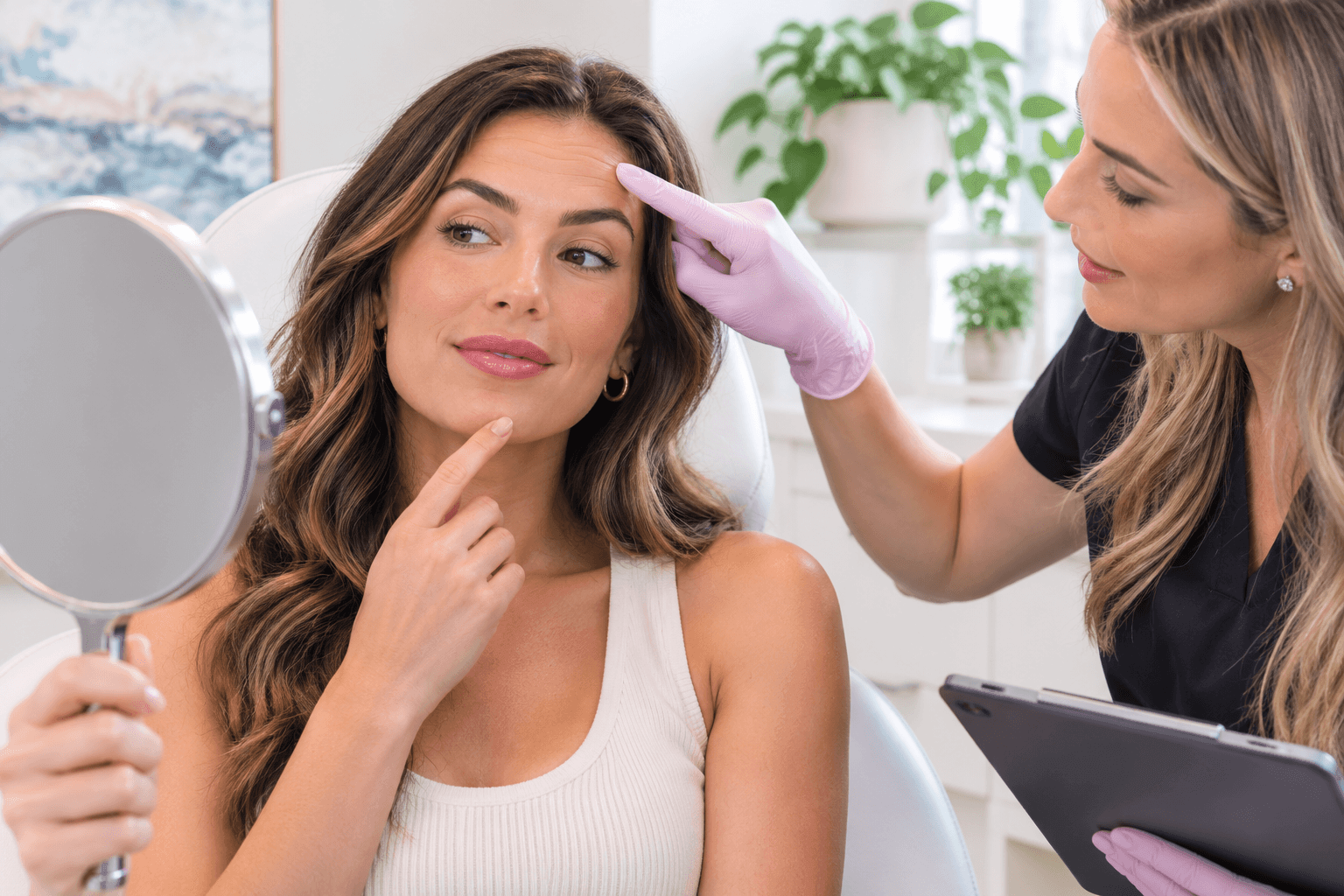
It is one of the most common questions people ask before their first appointment: is Botox something you get after wrinkles show up, or something you start before they ever appear? The honest answer is that both approaches are legitimate, and which one makes sense for you depends on your age, your skin, and what you are actually trying to achieve.
Botox belongs to a category of treatments called neuromodulators, which work by temporarily relaxing the specific muscles responsible for repetitive facial expressions. Understanding how that mechanism works is the key to understanding why timing matters so much in this conversation.
How Neuromodulator Treatments Actually Work
Repeated facial expressions, like squinting in bright sunlight or frowning in concentration, gradually create creases in the skin over time. At first, these lines only appear when you make the expression, which is why they are called dynamic wrinkles. Eventually, if the underlying muscle keeps contracting the same way for years, the crease can become visible even when your face is at rest. These are known as static wrinkles.
A neuromodulator works by relaxing the targeted muscle so it contracts less forcefully, which reduces the repetitive folding of the skin above it. This is why the treatment is effective on dynamic lines that have not yet become permanent, and why it can also soften lines that have already started to set in.
The Case for Starting Preventatively
Reducing the Habit Before It Becomes a Line
For people in their late twenties and thirties who are just starting to notice fine lines appearing with certain expressions, starting neuromodulator treatment early can slow down how quickly those dynamic lines progress into permanent static ones. This does not mean freezing all expression, but rather softening the intensity of the specific muscle movements that create the most noticeable creasing over time.
Sun Exposure Makes Prevention More Relevant in Las Vegas
With as much sunshine as Las Vegas gets, squinting is a near constant reflex for a lot of residents, even with sunglasses on. That repetitive squinting contributes heavily to lines around the eyes and forehead, which is one reason preventative treatment tends to come up in conversation earlier here than in cloudier climates.
The Case for Waiting Until Lines Are More Established
Treating What You Actually See
Plenty of people prefer to wait until they notice lines that bother them before starting treatment, and that is a completely reasonable approach. Neuromodulators remain effective at softening established dynamic lines and even improving the appearance of some static lines when combined with a consistent treatment schedule.
There Is No Universal Right Age to Start
There is no single correct age to begin. Some people in their forties have minimal static wrinkles and choose maintenance level treatment, while some people in their late twenties already notice more pronounced dynamic lines due to genetics, sun exposure, or expressive habits. A consultation with a qualified provider is the most reliable way to determine what makes sense for your specific skin.
What to Expect From Treatment
The Appointment Itself
Neuromodulator treatments are quick, typically taking well under an hour, with no need for anesthesia beyond a topical option if you prefer. Most people return to their normal schedule immediately afterward.
When You Will See Results
Results generally begin appearing within a few days and continue to develop over the following one to two weeks as the treatment takes full effect.
How Long Results Last
Results typically last several months before the treatment gradually wears off and the muscle activity returns to its previous pattern. This is why most people schedule maintenance appointments a few times a year to sustain results.
Common Areas Treated
Neuromodulator treatment is most commonly used to address wrinkles and fine lines around the forehead, between the eyebrows, and around the eyes, though it can also help with brow droop and other concerns related to repetitive muscle movement in the upper face.
Frequently Asked Questions
At what age should I start Botox? There is no single correct age. Some people begin in their late twenties as a preventative measure, while others wait until their thirties or forties when static lines become more noticeable. A consultation can help determine the right timing for your skin.
Does starting early mean I will need it forever? No. Neuromodulator treatment is not addictive and does not create dependency. Muscle activity simply returns to its natural pattern once the treatment wears off, whether you continue treatment or stop.
How long does one treatment last? Most people see results lasting several months before scheduling a follow up appointment to maintain their look.
Is Botox only for the forehead area? No. It can address several areas including the forehead, the area between the eyebrows, and around the eyes, depending on your specific concerns.
Will I still be able to make normal facial expressions? Yes. The goal of a well administered treatment is to soften repetitive muscle contraction, not to eliminate expression entirely.
Whichever Path You Choose, the Decision Is Yours
There is no universally correct time to start neuromodulator treatment. What matters most is understanding your own skin, your goals, and getting guidance from a provider who can walk you through both the preventative and corrective approaches honestly.
To learn more about your options, visit our neuromodulator service page or explore related concerns like fine lines and wrinkles. You can also browse our full list of injectable services to see everything available.